City of Tucson Heat Action Roadmap

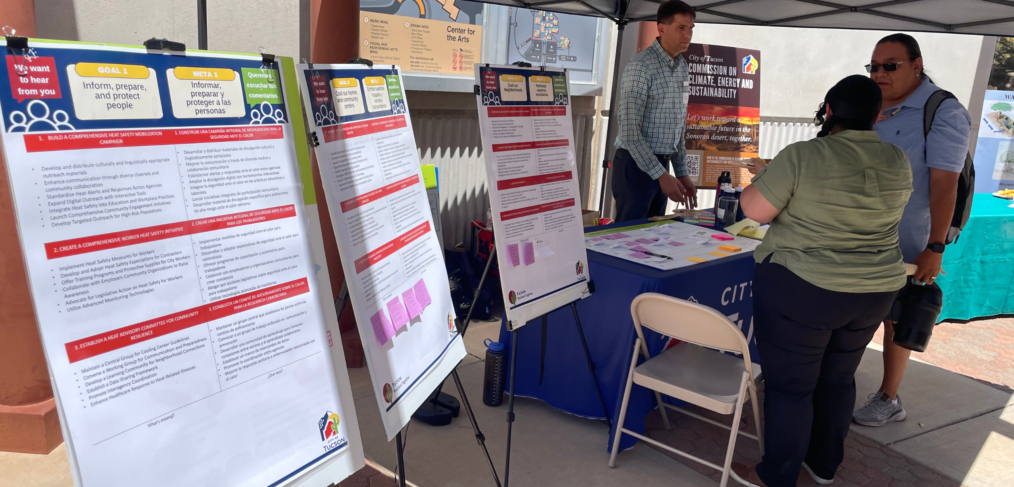
The City of Tucson’s Heat Action Roadmap is a key part of Tucson’s climate action framework, emphasizing resilience. It incorporates input from over 250 residents, nonprofits, health professionals, scientists, planners and the business community. The roadmap focuses on three goals: Inform, Prepare, and Protect People; Cool Homes and Community Centers; and Cool Tucson Neighborhoods. Each goal is backed by actionable strategies, providing a comprehensive approach to heat management for both the short and long term.
Smart, Reusable (Usefull), solution at NAU

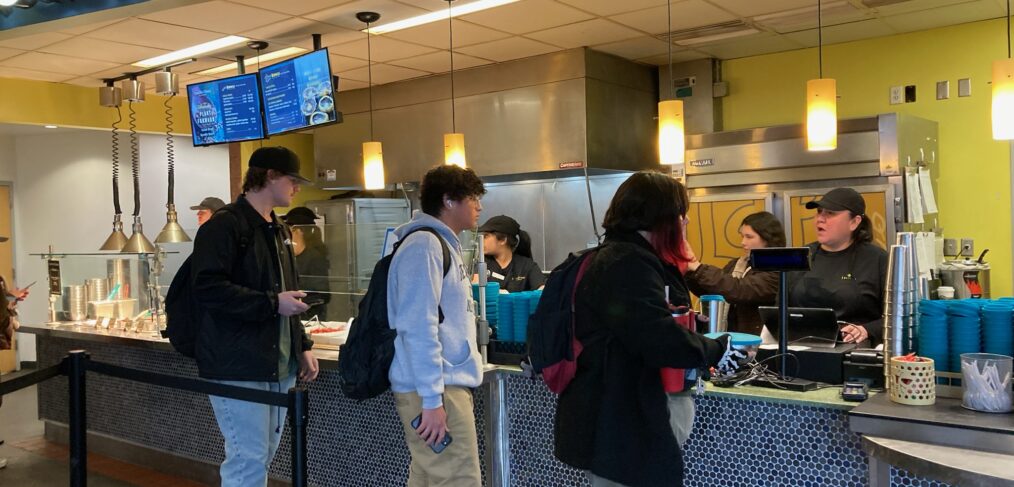
Northern Arizona University’s campus dining program, in partnership with Sodexo, has launched the USEFULL reusable container program to address waste from single-use products. In March 2024, the program replaced disposable containers with insulated stainless-steel options at three dining locations, providing a better customer experience while reducing waste and health concerns from plastics. The initiative has achieved significant sustainability milestones in just six months, including reducing disposable waste by 10,050 pounds, saving 281,380 gallons of water, and preventing 31,603 pounds of carbon emissions. With 100,000 plastic-free container check-outs reached by November 2024, the program will expand to nine more locations in 2025.

The Man in the Maze Trail

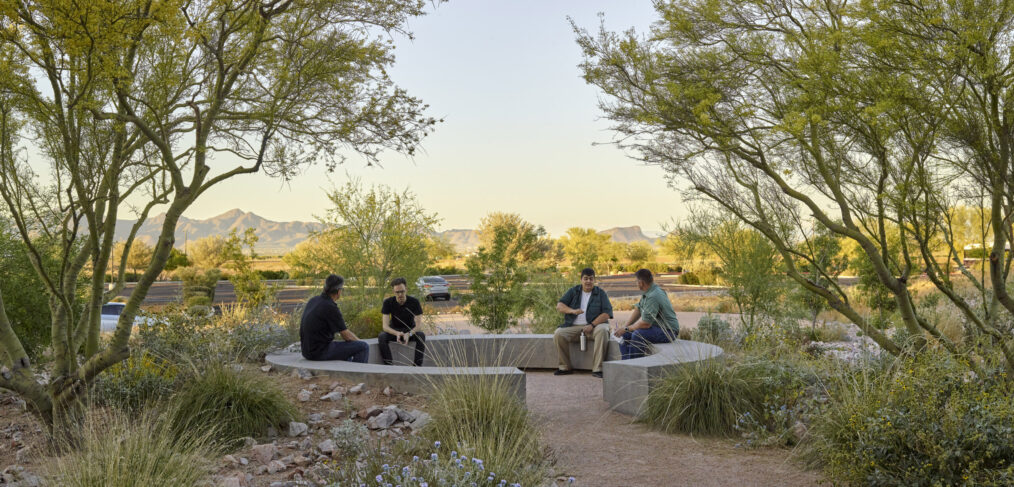
The Man in the Maze Trails Park, in Sahuarita, Arizona, was once a lead-zinc milling operation. In 2015, the site entered ADEQ’s Voluntary Remediation Program. With Sahuarita’s growth and community collaboration, a vision emerged to transform the land into open space with walking trails and educational opportunities. In 2023, after remediation, the 87-acre park was donated to the Town of Sahuarita and opened for public use. In addition to environmental restoration, the park fosters health, wellness, cultural preservation, and cross-sector collaboration. Named by the community, the park holds cultural significance for the Tohono O’odham people, symbolizing the journey of life. It serves as a space for developing cultural awareness, connecting communities, and building resilience.


Cloud Song: Scottsdale Community College Business School & Indigenous Cultural Center

Cloud Song is an 8-acre development at Scottsdale Community College, housing the Indigenous Scholars Institute, Cultural Center, Business School, and Facilities offices. The project honors the College’s commitment to the Salt River Pima-Maricopa Indian Community by providing resources for American Indian students. The design blends modern aesthetics with ecological principles, incorporating green infrastructure such as bioswales inspired by the Hohokam canal system to manage stormwater. The landscape, featuring native riparian and dry wash plants, thrives on rainwater, requires minimal maintenance, and supports local wildlife and pollinators, while promoting understanding of indigenous culture and environmental sustainability.


Strategic Transportation Infrastructure Investment Plan

Arizona’s future hinges on clean air, economic sustainability, and a transportation system that meets the needs of residents and businesses. Thanks to the efforts of 27 cities as well as Maricopa County Association of Governments, voters recently reaffirmed the critical role of transportation by approving a dedicated half-cent sales tax to fund infrastructure, reduce commute times, improve air quality, extend transit services, all while enhancing the quality of life for Valley citizens. Proposition 479 continues the funding structure established in 1985 and renewed in 2004, maintaining the long-standing commitment to transportation improvement in the region.


Clark Park Community Center and Pool

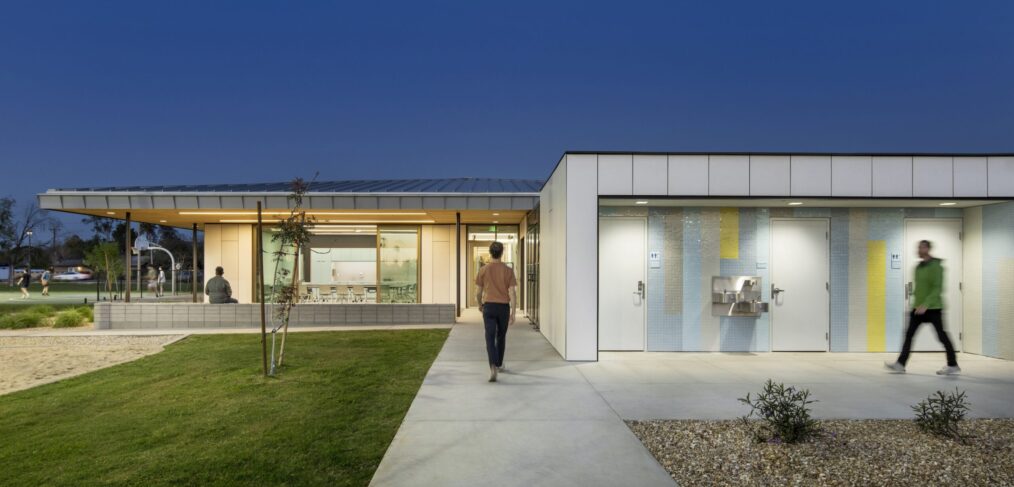
Clark Park, a beloved community space in Tempe since 1949, had fallen into disrepair until the City of Tempe revitalized it during the pandemic. The project started with a pool renovation but expanded into a full recreation center with spaces for classes, events, and aquatics. The design incorporates a low roof and wood canopy, creating an open, engaging atmosphere. Art installations and sustainable materials, like recycled panels and native landscaping, enhance the park. Today, Clark Park, features a pool, revitalized neighborhood space, a garden, improved shade and green spaces, a dog run, and is truly once again a vibrant community hub.


Arizona Public Service Virtual Power Plant

Arizona Public Service (APS) is facing rapid peak demand growth and extreme temperatures, including a record of 113 days above 100 degrees Fahrenheit in Phoenix and a new peak energy demand of 8,212 Megawatts on August 4, 2024. Peak demand is expected to exceed 13,000 MW by 2038, marking a 60% increase in just 14 years. To manage rising demand, APS is expanding its Virtual Power Plant (VPP) program, one of the largest in North America, which connects customer-owned devices like smart thermostats and battery storage to reduce peak energy demand. With over 95,000 thermostats and 72,000 customers participating, APS achieved a 160 Megawatts load reduction and successfully reached new customer segments. APS’s Virtual Power Plant program enhances grid reliability, reduces energy costs, improves air quality, and provides a cost-effective energy solution for all customers


Improving Riparian Habitat on the Wild and Scenic Fossil Creek Submitted By: Friends of the Verde River

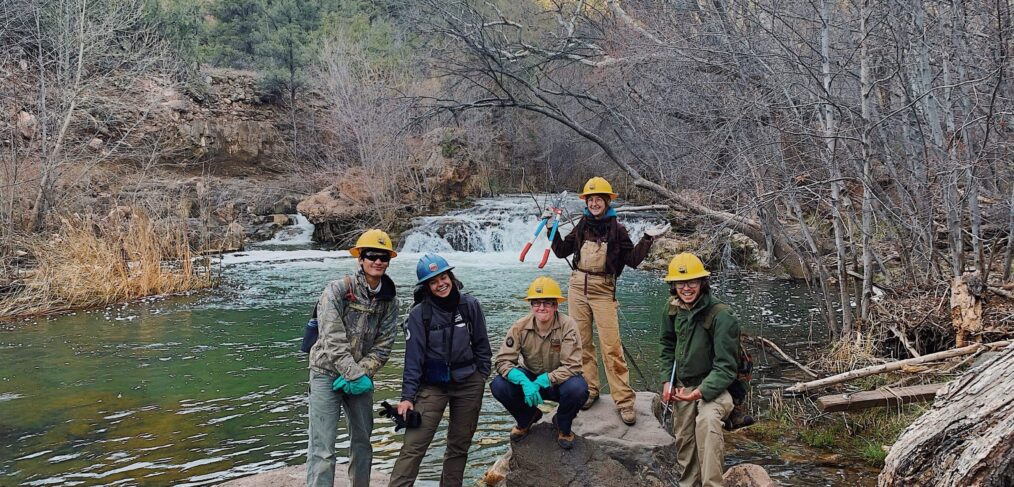
Over the past five years, Friends of the Verde River (FVR) has led efforts to remove invasive plant species along Fossil Creek, a 17-mile stretch revived after being dewatered for power generation for nearly 100 years. Following the creek’s designation as Wild and Scenic in 2009, its unique riparian forests have healed, supporting wildlife and local communities. Invasive species like tamarisk and giant reed threaten these ecosystems. FVR conducted an inventory and spent 30 weeks removing invasive plants from Fossil Creek, starting at Fossil Springs and working downstream to the Verde River confluence. This ongoing initiative aims to restore and sustain the creek’s health, with continued monitoring and maintenance across Fossil Creek and the Verde Watershed.


Heat Relief 2024: Phoenix’s Equity Driven Response to Extreme Heat

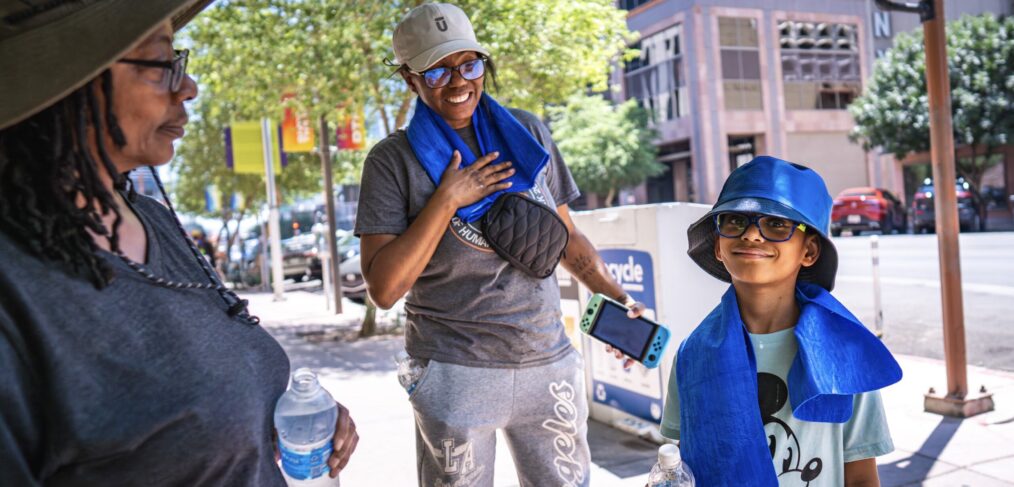
In response to extreme heat in 2024, the City of Phoenix launched heat relief initiatives that reduced heat-related deaths and emergency calls by 20%.. Key actions included extended hours at cooling centers, 24-hour respite centers, and hydration stations at public spaces. Over 35,000 people, mostly experiencing homelessness, were served, and 1,026 individuals were connected to shelter. The City distributed 1.2 million water bottles and awarded $330,000 in grants to support 36,000 people. These efforts demonstrate the impact of equity-driven strategies, with continued focus on heat as a public health issue.


The Sonoran Studio

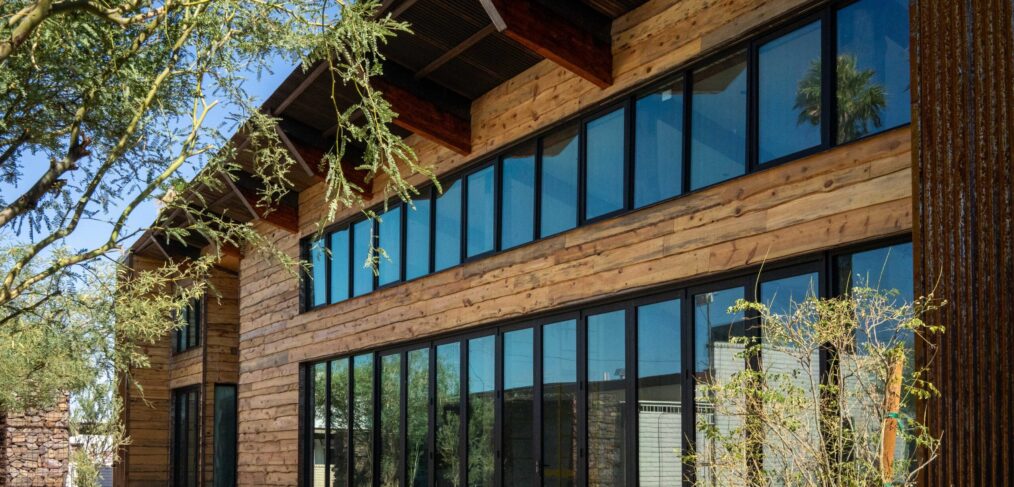
The Sonoran Studio, home base for the architectural firm, Architectural Resource Team, is the first building in the Sonoran Desert Biome to achieve Living Building Challenge (LBC) certification. Located in Phoenix, this 5,100 square foot urban infill structure is designed to be desert-durable, with recycled metal cladding, wood framing, and recyclable steel studs. Its simple architectural form meets LBC requirements while promoting health, well-being, and inspiration.  The firm also became the first JUST-certified organization in Arizona, evaluating internal equity, diversity, and wellness. The firm founded The Sonoran Studio Foundation, a non-profit expanding the project’s impact through community outreach and supporting minority students in sustainable design via an endowed scholarship at ASU