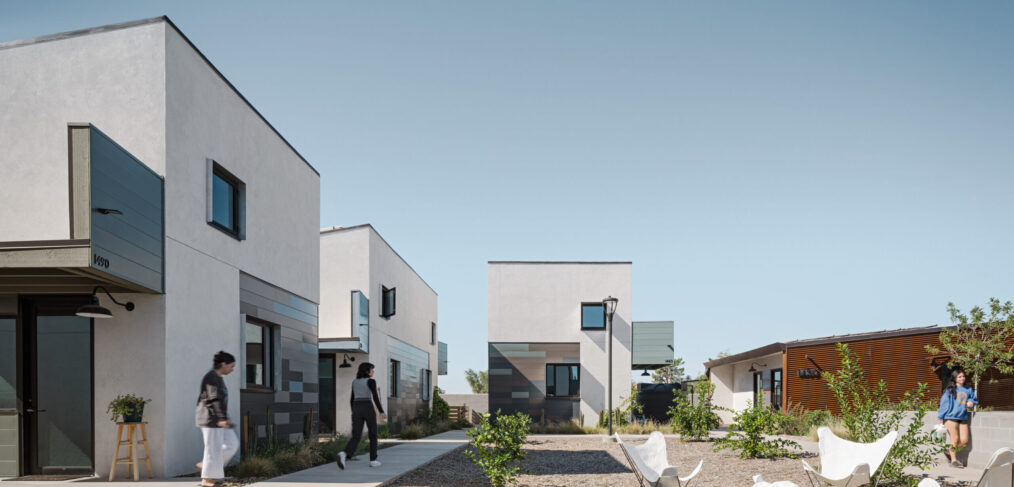
Tempe’s Micro Estates is a.67 acre site which consists of thirteen small (600 SF) environmentally friendly houses that fit the scale of the surrounding neighborhood. The size and arrangement of the homes provides affordability and a generous central garden space. Because the developer was also a land-trust, the ownership is based on 99-year renewable leases. To keep the homes affordable over time, each owner must pass down 25% of their built-up equity to subsequent owners. The project garnered a tremendously positive response from the community and several other cities within the Phoenix Metro Area are considering similar projects.
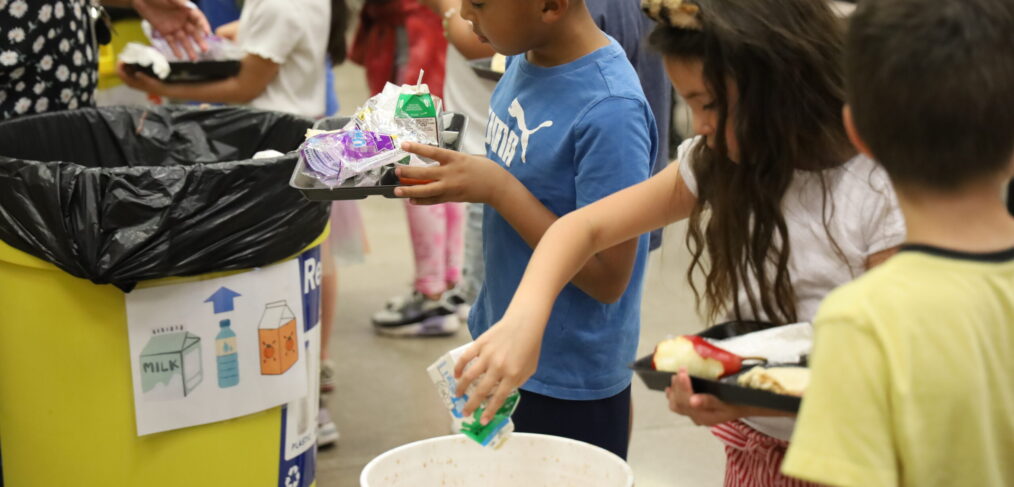
With United States Department of Agriculture (USDA) grant funding, the Phoenix Zero Waste Team launched food waste collection at five public elementary schools. The City partnered with the schools on food waste sorting and collection from the cafeteria and classrooms. In the cafeteria, collection bins for students were organized to separate leftover liquids, recyclables, compostables, landfill items, along with a table for uneaten, unopened foods in their original packaging. The food waste composting program helps students familiarize themselves with the food system by visualizing food circularity from seed to compost. The program also positively impacted the environment by diverting 67,319 pounds of food waste and compostable packaging from the landfill. After hearing about the success of the first five schools, additional school districts have expressed interest in launching food waste collection.
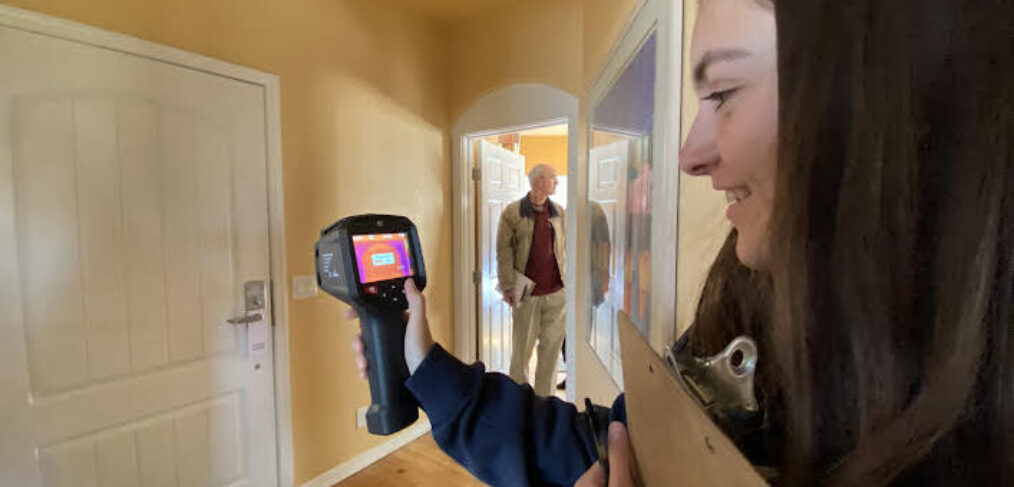
Witnessing the impacts of climate change on small businesses, Local First Arizona, North America’s largest coalition of locally owned businesses, launched the Green Business Boot Camp in 2018 to support small and locally-owned businesses in designing and implementing projects that reduce their environmental impact and saved money. Since 2018, Local First hassupported123 small and locally owned businesses through the Boot Camp with the goal to achieve a 20% reduction in their energy, water, waste, or transportation impacts and costs.And, in 2023, Local First launched “Funding A Green Project Handbook” to guide small businesses through the federal Inflation Reduction Act incentives to maximize their financial savings and environmental impact.
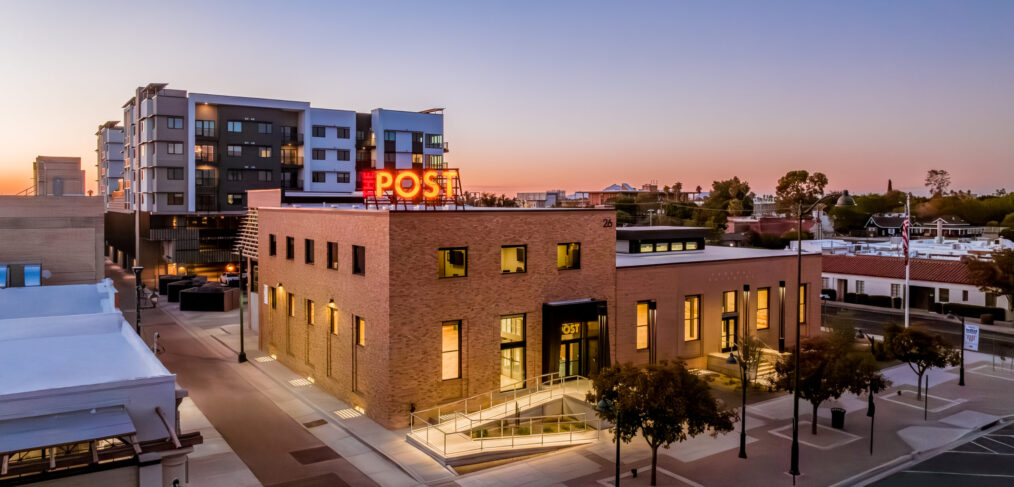
The architectural restoration of Mesa’s first post office marks a significant piece of history.Built in 1936, the building was originally home to the post office until 1970 when it became a federal building for the US Forest Service, US Fish and Wildlife, and other federal agencies. n 2002, the building was granted to the City of Mesa and used as storage space for the Arizona Museum of Natural History. In 2018, Mesa voters approved a bond issue to convert the building into a dynamic community event and business space affectionately named The Post. The design team worked with Mesa officials to preserve and reuse the original features of the building in the new design while ensuring the 24,000 square feet of space was fully accessible. Many original architectural elements discovered during the restoration are incorporated into the updated structure to continue telling the historic post office’s story.
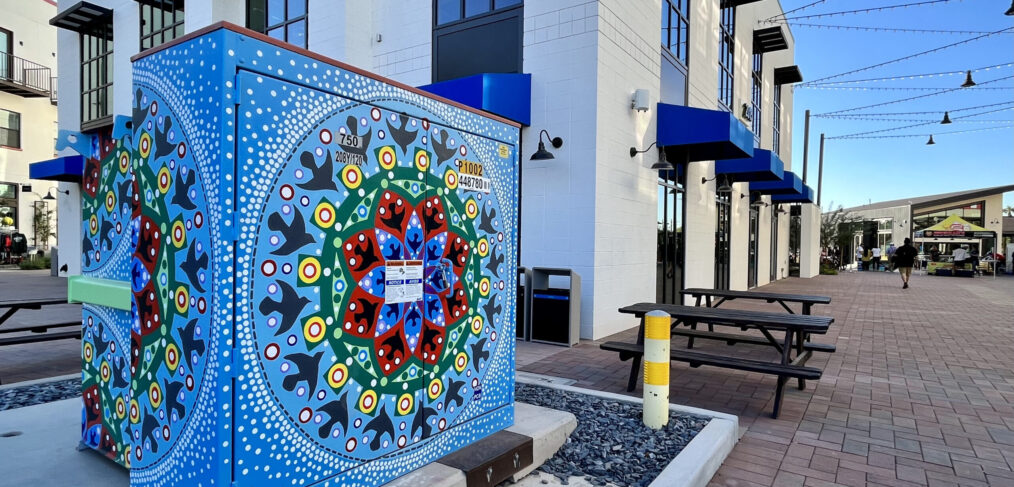
Culdesac Tempe is a new mixed-used housing development in the Urban Core of Tempe containing 700+ apartments for rent, live-work studios, restaurants, a market and several thriving businesses. The development is the first carfree housing development in the US, placed directly along the Valley Metro Light Rail line at Apache Blvd & Smith Rd. Knowing that artwork is an important part of enhancing and growing a new community, Culdesac hired coLAB studio as an art-manager to locate public art opportunities within the campus, Culdesac soon expanded the art plan to 20 art locations, and seven local artists The concept of the car-free development is deeply rooted in sustainability: less cars equals cleaner air, less traffic, and quieter neighborhoods.All of this has been captured in the art installations throughout the project.