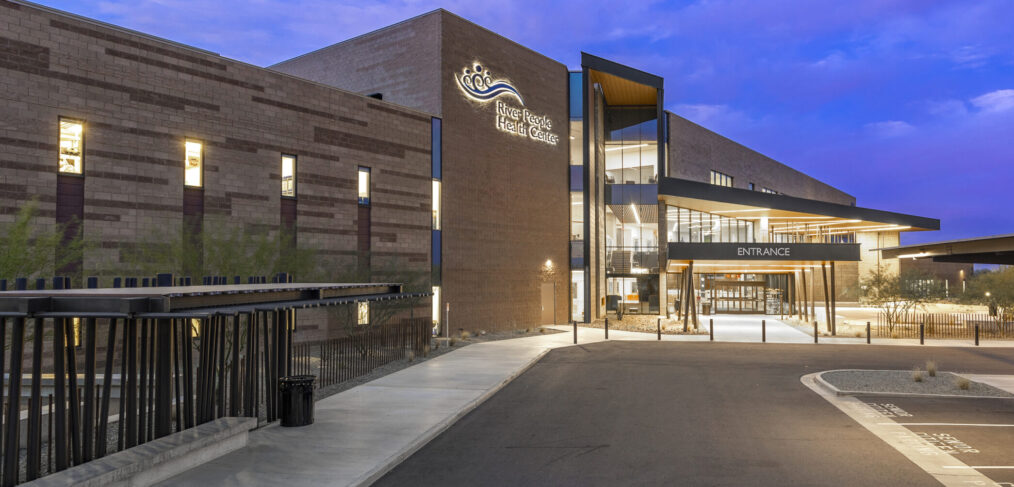
River People Health Center is a 197,670 sf, three-story outpatient clinic on Salt River Pima Maricopa Indian Community (SRPMIC) land. Funded by the Indian Health Service, this facility serves members of all indigenous American tribes while showcasing the Pima and Maricopa Indian tribal cultures. The building design is organized around a series of large concrete monoliths that align views and building entries to the mountain peaks that the community considers sacred. Rainwater is collected and directed from the rooftops, over the symbol embossed concrete walls, and into vegetated bioswales to provide water to the plants and recall the community’s ancient canals built throughout the valley. The detailing of the clinic recalls symbols, building elements, and construction techniques of historical dwellings and shade structures, as well as art, pottery and basketry of their ancestors who initially settled in the area. The project is currently tracking LEED Silver, with the possibility for Gold.
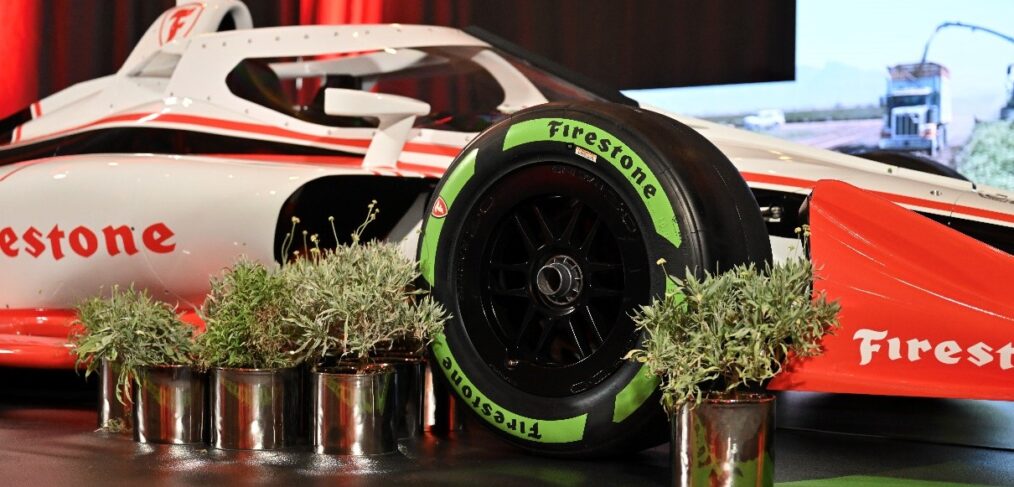
A key initiative of Bridgestone’s unwavering commitment to sustainability is based in the heart of Arizona – the cultivation of guayule, a drought resistant, desert shrub that provides a source of natural rubber. Guayule gives Bridgestone the opportunity to reduce the risk of relying on a single source of natural rubber and localize production of the key material in the U.S. The company invested $100 million in development at a farm in Eloy, and a research center in Mesa. Guayule will be the first commercially viable, domestic source of natural rubber. Today almost all natural rubber comes exclusively from Southeast Asia, and productionis threatened by global political strife and supply chain issues. Guayule uses much less water than existing crops grown in Arizona,providinga viable alternative for local Arizonian farmers and Native American tribes who are facing a prolonged drought in Arizona’s harsh desert climate. Bridgestone is using INDYCAR racing as a proving ground for guayule, and the guayule-derived tires have met the same demanding street course race specifications as alternate tires with traditional rubber.
James Dean (J.D.) Hill, founder of Recycled City, turned Arizona’s substantial food waste challenge into a thriving business. Since its inception in 2013, Recycled City has diverted 10 million pounds of food waste from landfills, fostering local job creation and organic farming expansion. Hill’s innovative model not only saves water and supports local agriculture but also aids commercial customers in reducing waste costs and achieving sustainability objectives. With an extensive customer base including major corporations and municipal contracts, Recycled City maintains impeccable service standards, earning an A+ rating from the Better Business Bureau. Hill’s foresight and adaptability during the COVID-19 pandemic further demonstrated his commitment to employee welfare and community resilience. Through Recycled City, Hill has effectively intertwined food waste collection with sustainable farming, embodying the ethos of self-reliance and environmental stewardship, profoundly benefiting Arizona’s ecosystem and future generations.
Nikola Corporation leads the charge with innovative solutions in commercial transportation. TheirClass 8 battery-electric vehicle (BEV) is capable of up to 330- miles and the recently launched hydrogen fuel cell electric vehicle (FCEV) has an up to 500-mile range, highlighting Nikola’s commitment to transforming the transportation industry. The FCEV is believed to be the first zero tailpipe emissions truck in production in North America that is truly capable of servicing the majority of daycabregional and medium haul freight operations, due to its increased range and payload capacity relativeto other zero emission offerings. Replacing a Class 8 diesel truck with a zero tailpipeemissions truck avoids an average 106 metric tons of CO2 tailpipe emissions annually, demonstratingapositive environmental impact.
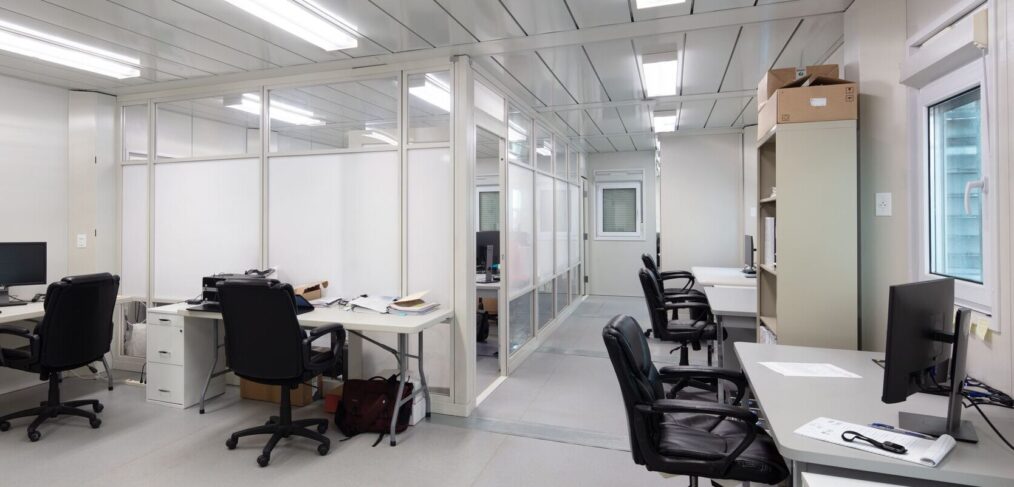
Willscot Mobile Mini specializes in providing sustainable mobile office and storage solutions, focusing on reuse, relocation, reconfiguration, and refurbishment to minimize raw material extraction and waste. They introduced Essentials in 2019, offering furnished units tailored for various sectors. Operating on a rental basis prolongs the lifespan of each product, reducing disposal. After rental, they refurbish or donate items, aiming to divert waste. Conducting waste characterization studies across 240+ branches, they identified donation as a primary diversion method. Partnering with Stardust, a local nonprofit, they established a pilot program for weekly pickups, donating over 16,400 lbs of materials. This initiative aligns with their commitment to community focus and environmental sustainability.
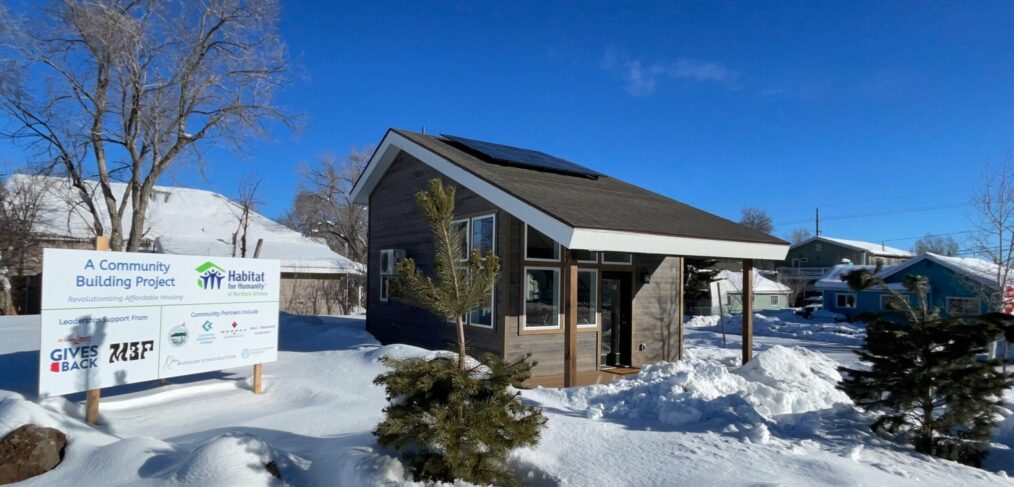
Financial Sustainability is key to Habitat for Humanity of Northern Arizona’s mission and they are actively solving this issue through homeownership and equity savings for low-to-moderate income earners. Habitatis building Starter Homes on the City of Flagstaff’s Land Trust property. This shared equity model decreases the total home investment by about 40%, and the homeowner pays a modest $30 a month land lease payment to the city. A low-to-moderate income family can purchase a Starter Home with a $1000 down-payment. creating a $10,000 equity savings each year of ownership. The Starter Home financing model is key to this revolution in workforce/affordable housing.
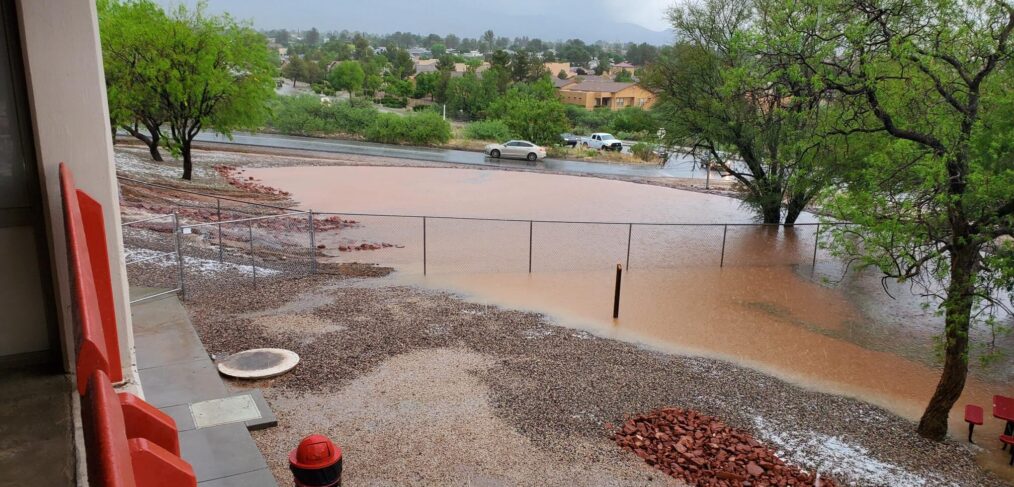
The Mingus Union High School Stormwater Recharge Project (MUHS-SRP) is a new groundwater recharge demonstration in Cottonwood, Arizona, completed in May 2023 by Friends of the Verde River. The project was developed within the framework of the River-Friendly Living program, which is designed to save water, clean water, increase native habitat, and inspire communities. Rural Arizonans receive 100% of their drinking water from groundwater. Supporting aquifer recharge, therefore, is key to rural sustainability. The Verde River system includes Arizona’s only federally recognized Wild & Scenic Rivers; provides spectacular scenery and habitat for wildlife and recreation, serves irrigation water to farmers; and supplies drinking water to over 2 million people in metropolitan Phoenix.
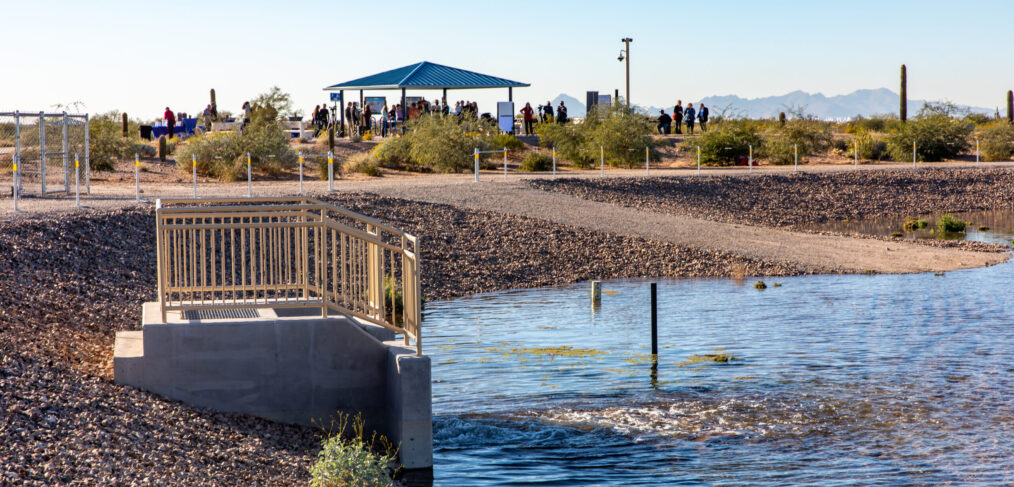
The Shirley Scott Southeast Houghton Area Recharge Project (SHARP) in Tucson is a pioneering initiative offering green space for recreation and educational outreach. Spanning40 acres, SHARPrecharges recycled water into the aquifer, emphasizing multi-beneficial use, with a purpose to enhance community resilience, establish a sustainable water supply, and serve as a recreational and educational hub. The facility, landscaped with native plants and irrigated with reclaimed water and harvested rainwater, provides recreational spaces for walking, biking, and family picnics. It diversifies and enhances Tucson Water’s water resource portfolio, recharging up to 4,000 acre–feet of class A reclaimed water annually supporting the community’s long-term water needs.
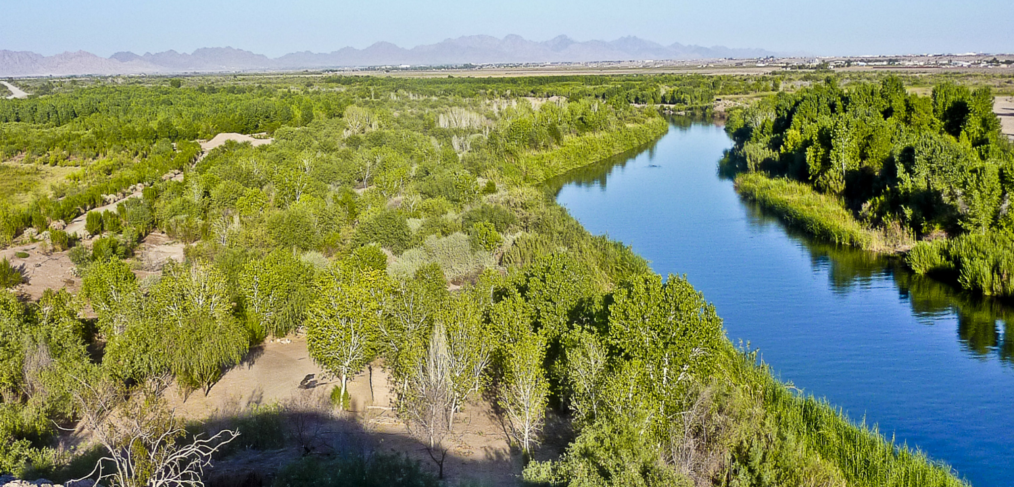
The Yuma East Wetlands is a model for wetlands restoration in the desert Southwest and is led by a partnership among the Yuma Crossing National Heritage Area, Quechan Indian Tribe, City of Yuma, and the Arizona Game and Fish Department. Although the dams on the Colorado River prevent flooding and provide a stable source of water for an agricultural industry which provides 90% of the winter fresh vegetables for the entire nation, there were unintended consequences. The dams severely reduced river flow which for centuries was the natural way that the native trees would repopulate along the banks of the Colorado River. In its stead grew a jungle of non-native vegetation, making the river inaccessible to the community and spawning trash dumpsand illegal activity. Restoration activities were initiated and nearly 400 acres was transformed into a lush marsh and riparian forest of mesquite, cottonwood, and willow trees which provide habitat for an array of wildlife species including the endangered Yuma Ridgway’s Rail and Yellow-billed cuckoo.
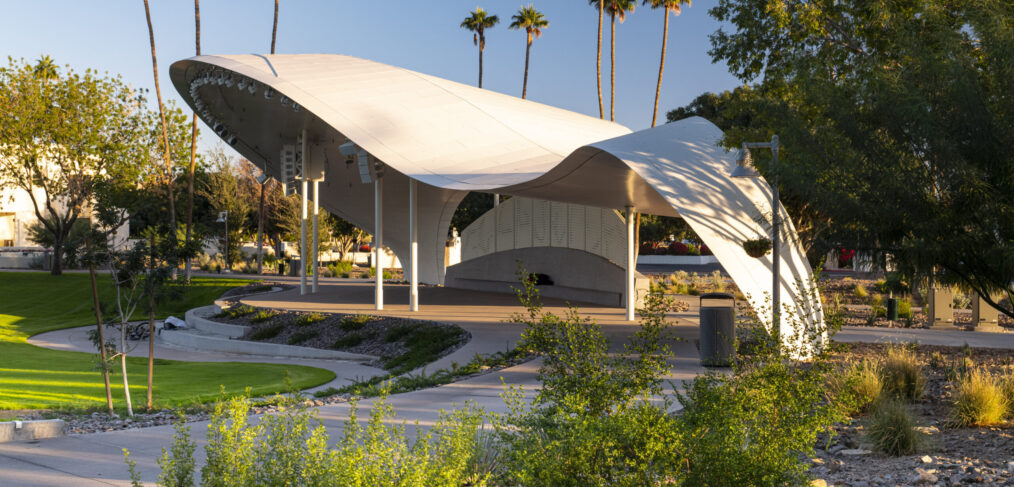
The Scottsdale Civic Center revitalization project is a comprehensive endeavor aimed at transforming a historic civic space in downtown Scottsdale into a vibrant and modern hub for the community. The project’s main purpose was to breathe new life into the area, fostering a sense of community engagement and creating an inviting space for residents and visitors.One of the project’s notable impacts is a substantial reduction in water usage across the landscape. Through innovative stormwater management, turf reduction, and water reuse strategies, the design team was dedicated to minimizing environmental impact and promoting sustainable practices. The project’s commitment to fostering community, sustainability, and the cultural richness of the Scottsdale region is evident.