Long Range Scenario Modeling of the Colorado River Basin

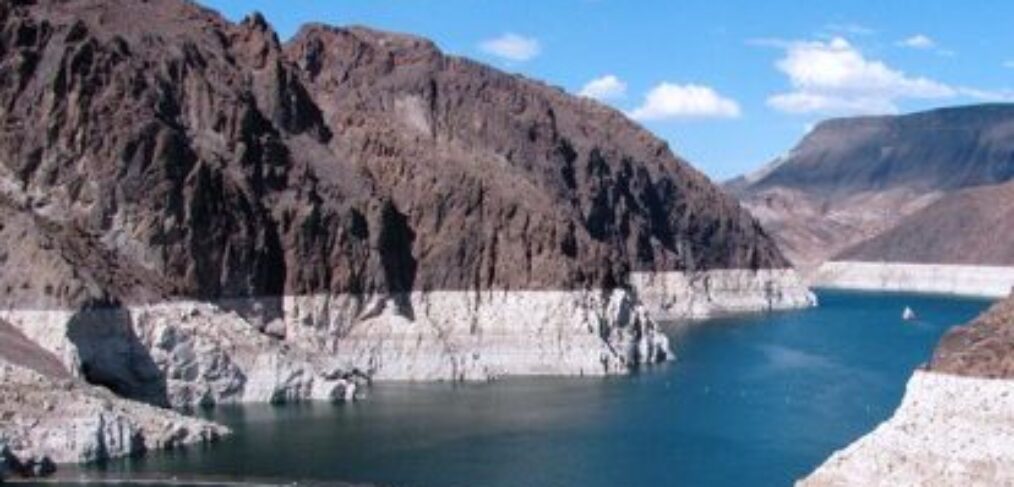
Using a $1,000,000 NASA grant, ASU researchers and Central Arizona Project studied the impacts of climate and land-use changes on the Colorado River Basin. The study used Earth-observing satellites and ground data to visualize the potential effects of a water shortage over a 150-year period. The study results will better inform decision making regarding water supplies as the state faces climate change.  


Urban Heat Leadership Academy

Recognizing that Phoenix is the hottest large metro area in the country, and that Arizona has the highest heat-related deaths nationally, The Nature Conservancy developed the Urban Heat Leadership Academy to help communities most affected by heat. The Urban Heat Leadership Academy empowers community leaders – who know best what they need – to effect change. The Academy provides the knowledge, resources, and skills so residents can mobilize their communities and advocate for greener, cooler, and healthier neighborhoods.  


U-Haul

U-Haul, an industry leader in do it yourself moving and self-storage, keeps sustainability at the heart of its production and service. This practice has been the core value of U-Haul products and services since 1945 Its Adaptive Reuse program substantially decreases emissions, conserves energy, and prevents demolition debris, while promoting infill development and refurbishing buildings with sustainable design features to reduce energy consumption, water use, and waste. U-Haul also helps minimize the number of personally owned vehicles on the road through its Truck Share 24/7 program and Transit-Oriented Development program at more than 23,000 locations in the U.S. and Canada. Additionally, with the help of the Conservation Fund and U-Haul customers, the company recently hit a milestone of 1 million trees planted. 

Intel Corporation

Intel Corporation, a global leader in sustainability, is committed to reducing its own environmental impact of its operations and enabling its customers, suppliers, and other stakeholders to reduce their environmental impact through direct action and technology. A true commitment to sustainability starts with intentional planning and ambitious goals, and Intel’s ambitions include achieving net positive water use by 2030, zero waste to landfill by 2030, and net zero greenhouse gas emissions in its global operations by 2040 – a leadership goal for the semiconductor industry. To help reach its sustainability goals, Intel is engaged with Arizona nonprofit and conservation organizations to support and fund projects that aim to support the well-being of our communities and our environment. To date, Intel has funded twenty nonprofit-led water restoration projects which once fully implemented, will restore more than two billion gallons of water to support Arizona’s vital water resources. Intel is proud to have innovated and invested in Arizona for more than 40 years.