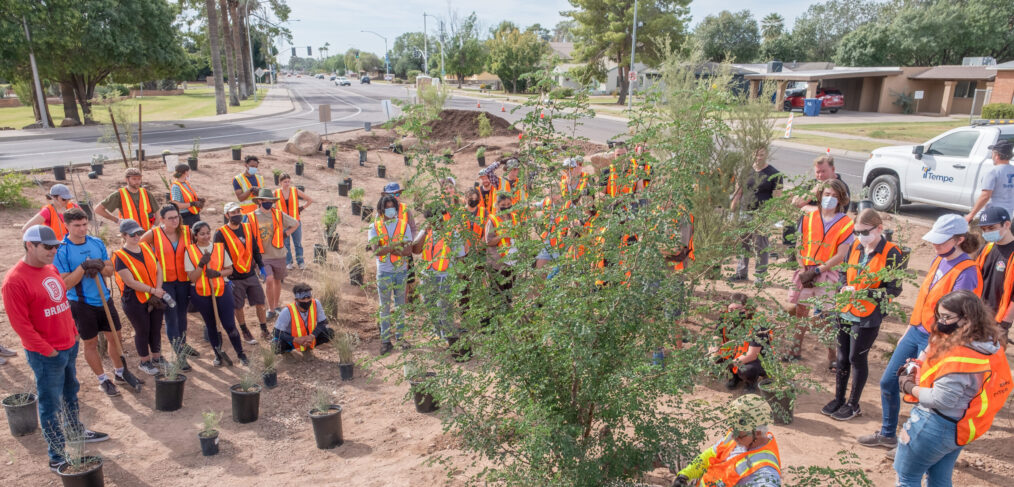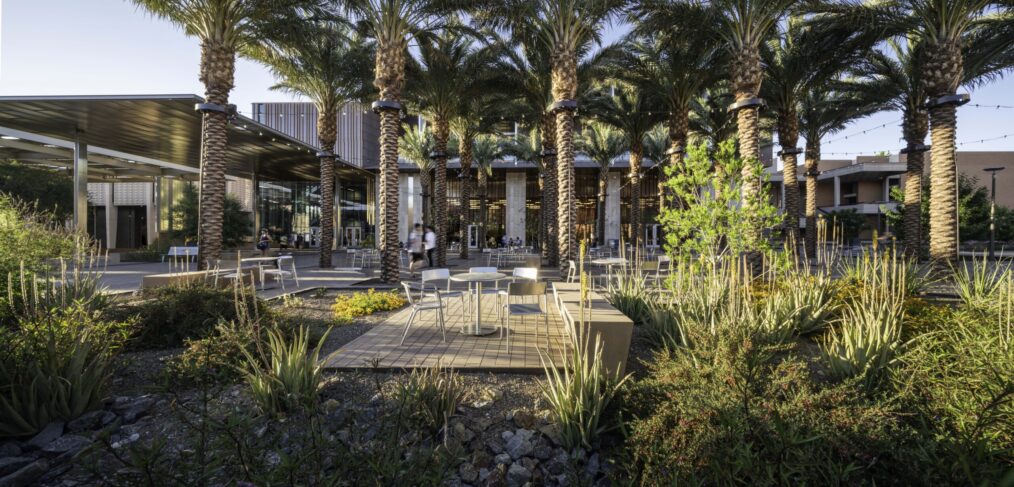
The Orange Mall Green Infrastructure project transformed an asphalt paved roadway into a shady, pedestrian mall in the center of the Arizona State University campus. This Sustainable Sites® Gold certified project provides an immersive and interactive learning laboratory. The landscape and hardscape touching to the pedestrian mall offers a flexible, outdoor space for events and everyday use. The promenade exemplifies ASU’s position on global sustainability through active engagement, carbon neutrality and principled practice.
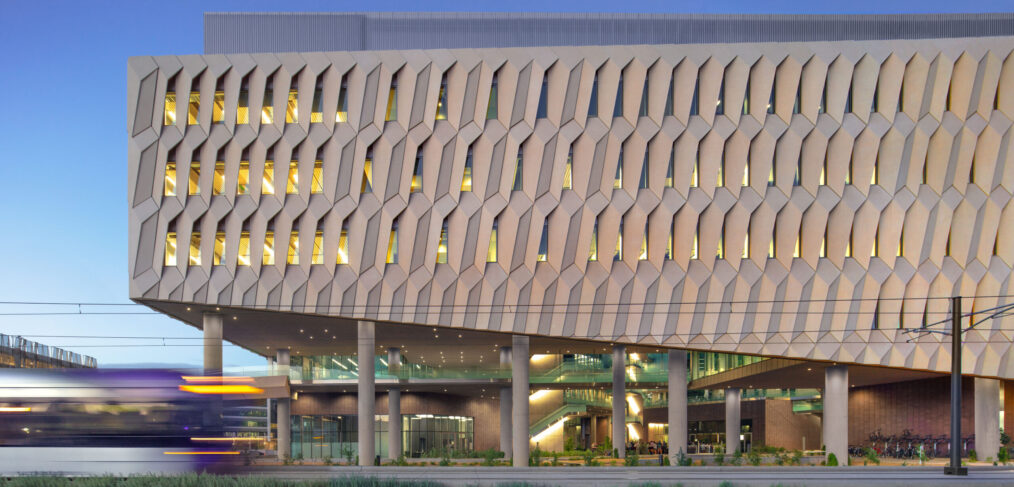
ASU’s Walton Center for Planetary Health offers a 281,000-square-foot home to leading-edge research focused on the sustainability of food, water, and energy. Half of the building is lifted off the site, providing cool breezes in the courtyard and shaded pedestrian links to the campus. The exterior self-shading shell strategy mimics the skin of a cactus, while the courtyard reveals how shade, color, wind, and water can be combined to create an inviting oasis.
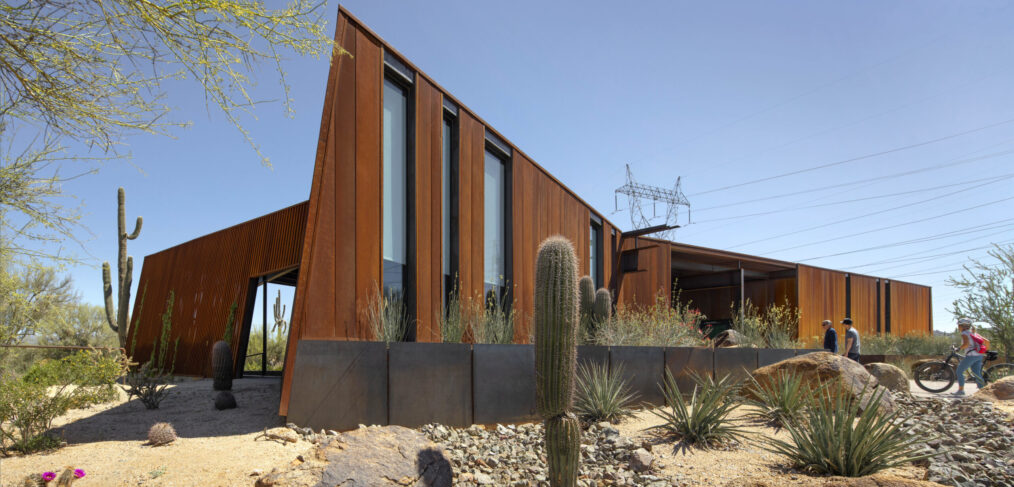
With over one million visitors annually, the City of Scottsdale’s McDowell Sonoran Preserve encompasses more than 30,000 acres and 225 miles of recreational trails. The Pima Dynamite Trailhead serves as a major access point to the vast network of trails and features community restrooms, an amphitheater, and indoor-outdoor meeting space. Its corten steel skin blends in with the preserve and allows the building to naturally weather while providing a gathering place for hikers, bikers, and equestrians to enjoy the beauty of the Sonoran Desert.
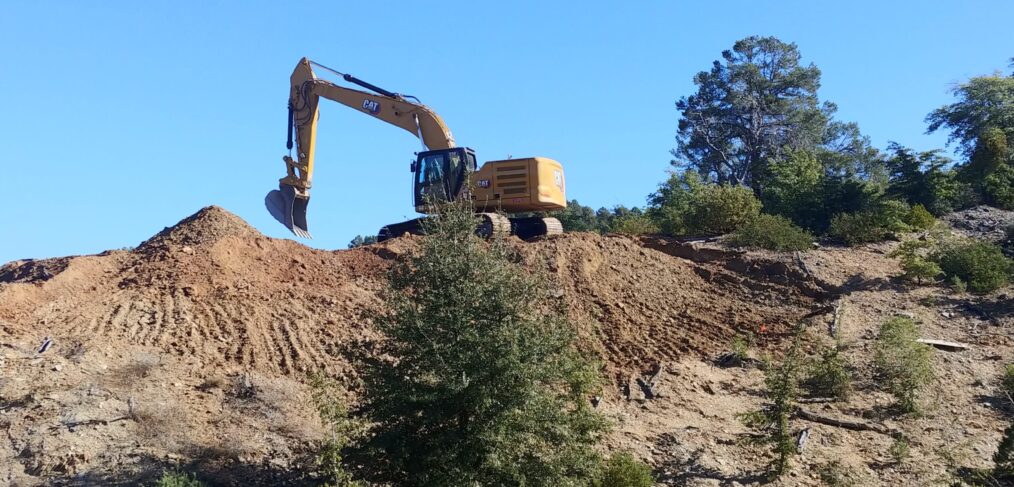
Arizona Department of Environmental Quality is remediating legacy mine sites to protect surface water quality and enhance vital habitats in Arizona. Since 2018, Arizona Department of Environmental Quality, in partnership with private landowners and federal agencies, has cleaned up nine legacy mines to protect over 120 stream miles. These investments in water quality have restored local hydrology, reintroduced native vegetation, protected recreators and enhanced wildlife habitat.
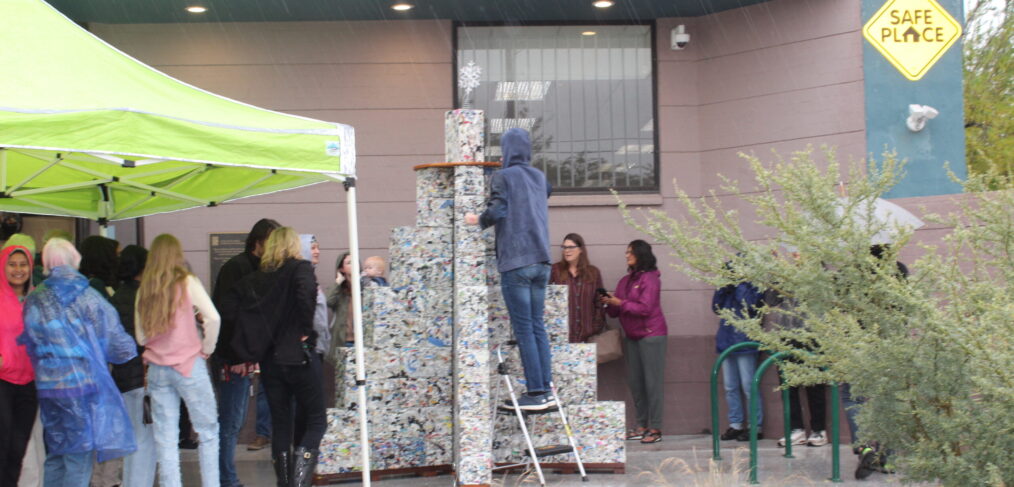
The City of Tucson is making progress toward its 2050 Zero Waste goal with the help of two local businesses recycling glass and plastics. Bottle Rocket Design and Glassware collected glass from local bars to make one-of-a-kind housewares such as water dishes for pets, table lamps and planters. A curbside plastics recycling program partnered with ByFusion to convert plastic waste into an advanced building material being used to build benches in local parks.
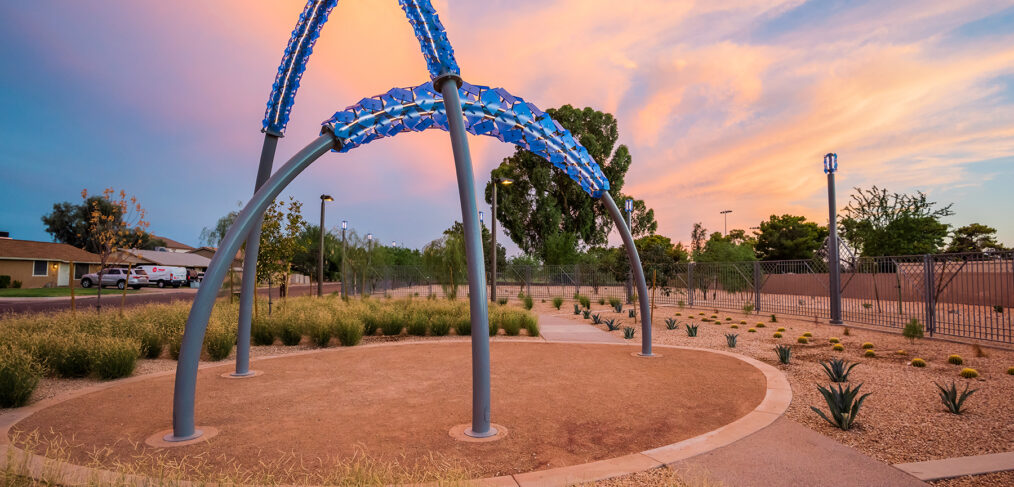
Dig Studio, the Phoenix Arts & Culture, and Phoenix Water Services transformed an inactive well site into a neighborhood beautification project with public art by Tempe artist, Bobby Zokaites. Zokaites created a set of sculptural arches that provides a low-maintenance, passive green space and transforms the abandoned site into a safe neighborhood amenity. The focal point of the space, artwork titled “A Time Machine Called Tinaja,” mimics the look and feel of water with glowing lights and cool blue panels.
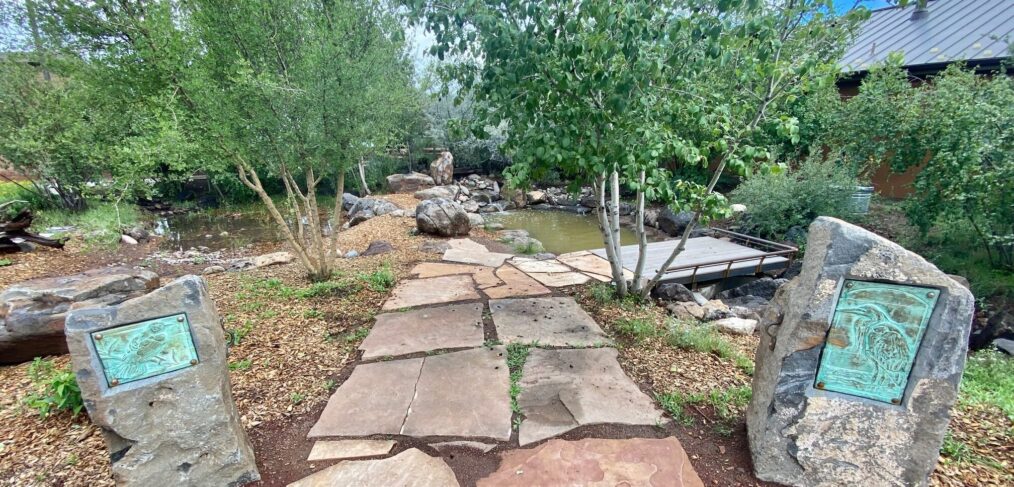
Coconino County’s Elizabeth “Liz” C. Archuleta County Park provides multicultural, community-centered education programs in English, Spanish, and Navajo. Located on a former sawmill, Coconino County revitalized the contaminated site into a beautiful park. In partnership with the Willow Bend Environmental Education Center, the County developed environmentally-focused education programs that visitors can enjoy along with the park’s outdoor classrooms, gardens, and watchable wildlife platform.
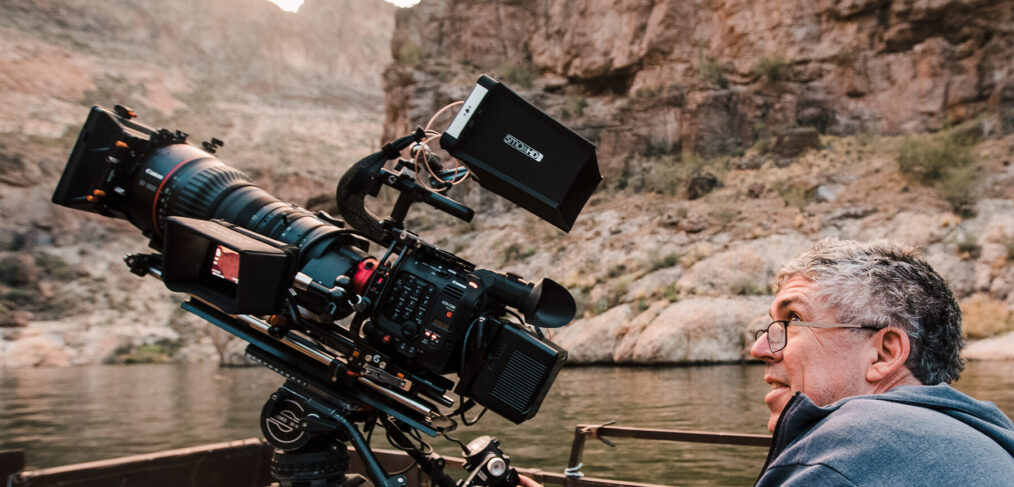
Liberty Wildlife recently released a documentary titled, “The Weight of a Feather,” which aired on Arizona PBS in the Spring of 2023. Spotlighting the power of the untold story of the Liberty Wildlife Non-Eagle Feather Repository, the documentary raises appreciation for wildlife rehabilitation, species conservation, and environmental education. The film showcases the unique role wildlife plays in Native American cultural and religious practices, and inspires viewers to take action to preserve and protect our natural world.
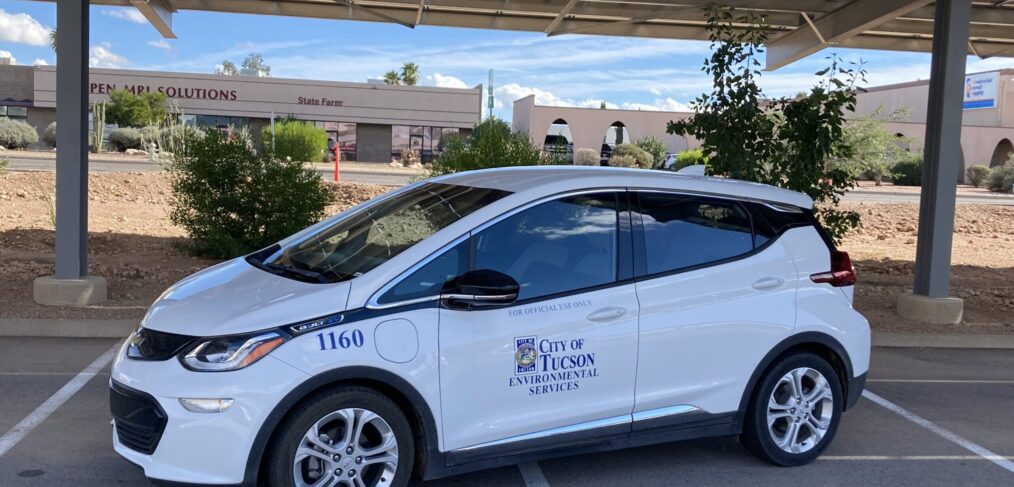
The City of Tucson’s Electric Vehicle (EV) Readiness Roadmap is paving the way to help historically underserved communities access affordable, clean transportation powered by locally-sourced clean, renewable energy. The City adopted a Green Fleet Policy, invested in EV charging facilities, established new building codes that require EV-ready residential and commercial new developments, and launched an electric bus fleet – the first public transportation system in the state to do so.
Tempe adopted its 2022 Climate Action Plan, which outlines how to address the threat of extreme heat and strategies to lower greenhouse gas emissions from energy and transportation sectors. The plan features community members and community partnerships as co-authors of four agendas: Youth, Business, Climate Justice, and Neighborhoods. The plan is a model of co-creating climate action with Community-based Organizations, residents, and businesses, shifting from government-centered climate action to people-centered climate action